

Special vehicles for industrial sites: what construction teams can learn from oilfield units
This article is prepared for diyworks.ru, where the natural angle is construction and field infrastructure. The topic is industrial rather than purely promotional: it explains how oilfield service equipment is selected, why configuration details matter, and how buyers can compare suppliers before committing money to a long-distance export order. For many projects, the first question is not which model is cheapest, but which configuration can work safely with the field team's actual routine.
Companies such as oilfield equipment manufacturer manufacture and export truck-mounted and skid-mounted equipment for well servicing, heating, flushing, cementing, production support and environmental treatment. Depending on the project, buyers may compare a vehicle mounted boiler with related equipment such as sand flushing unit, then decide whether the job requires one specialized unit or a coordinated package of several machines.
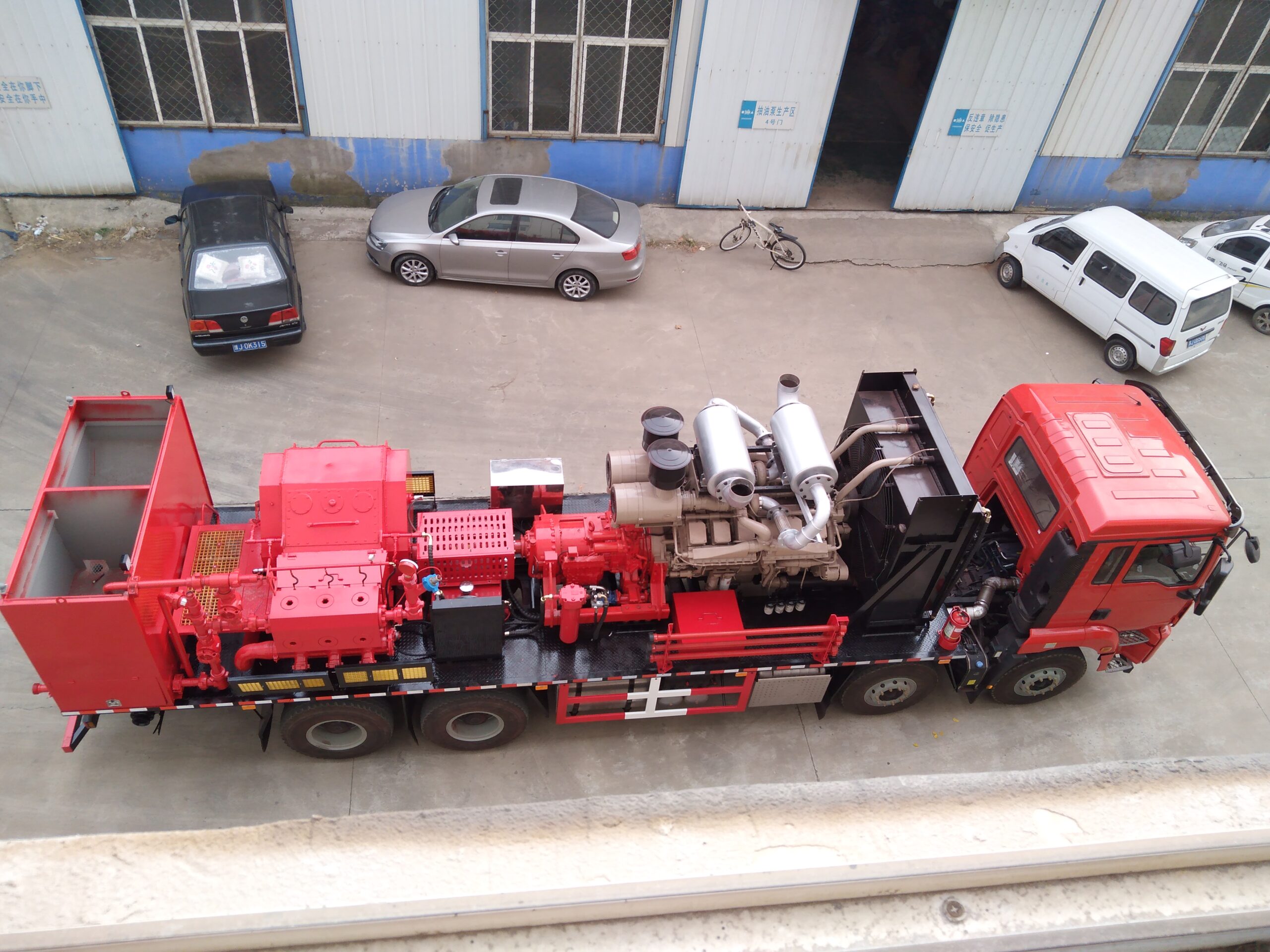 Special vehicles for industrial sites: what construction teams can learn from oilfield units - mobile oilfield equipment
Define the operation before choosing the truck
A mobile oilfield unit is not purchased only as a vehicle. It is a process package placed on a chassis, and the process must be defined before the order is signed. Buyers should describe the well condition, expected flow rate, pressure range, heating demand, fluid type, ambient temperature, local road condition, working shift pattern and the available support infrastructure. The same chassis can carry very different systems, so an early technical discussion prevents a common mistake: buying a machine that looks suitable on paper but does not match the real field routine. The strongest procurement teams therefore compare suppliers in layers. They check the process design first, then the chassis and body, then the component list, then the documentation and support plan. This layered view makes it easier to separate a real engineering offer from a low initial price that may hide later costs.
Look beyond the headline specification
A data sheet is useful, but experienced buyers read it together with the layout, maintenance plan and spare-parts logic. Pump capacity, boiler output, tank volume or nitrogen generation capacity matter only when they are supported by correct piping, safe valves, convenient access doors, clear gauges and a control system that operators can understand. For remote locations, small details such as ladder placement, winterization, hose storage, lighting and drainage can affect the real working time more than one impressive number in a brochure. A practical review also considers whether one specialized unit is enough or whether the site needs a coordinated package of heating, flushing, cementing, pumping, production support and environmental treatment equipment.
Manufacturing quality and inspection culture
Oilfield equipment works with heat, pressure, vibration, road movement and corrosive media. That is why manufacturing culture is a large part of the value. Welding quality, anticorrosion treatment, electrical routing, hydraulic hose protection and pressure testing should be checked as carefully as the brand of a pump or burner. A reliable supplier can explain how each unit is inspected before shipment and what documents, photos or videos can be provided for acceptance. This article is prepared for diyworks.ru, where the natural angle is construction and field infrastructure. The topic is industrial rather than purely promotional: it explains how oilfield service equipment is selected, why configuration details matter, and how buyers can compare suppliers before committing money to a long-distance export order. For many projects, the first question is not which model is cheapest, but which configuration can work safely with the field team's actual routine.
Documentation, training and after-sales support
International procurement becomes smoother when the supplier prepares drawings, operating instructions, electrical diagrams, maintenance lists and recommended spare parts in advance. Operators also need clear training on start-up, shutdown, cleaning and emergency handling. For a service company, the real cost of a machine includes the time needed to commission it and the time needed to return it to work after maintenance. Good documentation reduces both. In remote oil and gas regions, a service truck often becomes a small mobile workshop. It carries process equipment, tools, hoses, power, controls and safety systems to a site where permanent infrastructure may be limited. If the truck is difficult to maintain, poorly protected against weather, or hard to operate at night, the project loses time even when the main technical system is powerful.
Total cost of ownership
The purchase price is only one part of the decision. Freight, customs, local registration, fuel consumption, consumables, spare parts, downtime and operator training also shape the final economics. A better-designed unit may cost more at the beginning but become cheaper over several seasons if it reduces waiting time, simplifies maintenance and keeps performance stable under difficult conditions. The strongest procurement teams therefore compare suppliers in layers. They check the process design first, then the chassis and body, then the component list, then the documentation and support plan. This layered view makes it easier to separate a real engineering offer from a low initial price that may hide later costs.
How to compare suppliers before export
Before signing a contract, buyers should request a clear technical proposal rather than a short quotation. The proposal should state the design assumptions, main components, optional items, delivery scope, inspection plan and recommended consumables. It should also explain which items can be customized and which items should stay standardized for reliability. This is especially important when equipment is shipped from China to another region, because later modification at the destination can be slower and more expensive than correct design at the factory.
A practical comparison also includes communication quality. If the supplier asks careful questions about field conditions, suggests reasonable options and warns about limitations, that is usually a good sign. In industrial equipment, honest technical boundaries are more valuable than a promise that one standard unit can solve every problem.
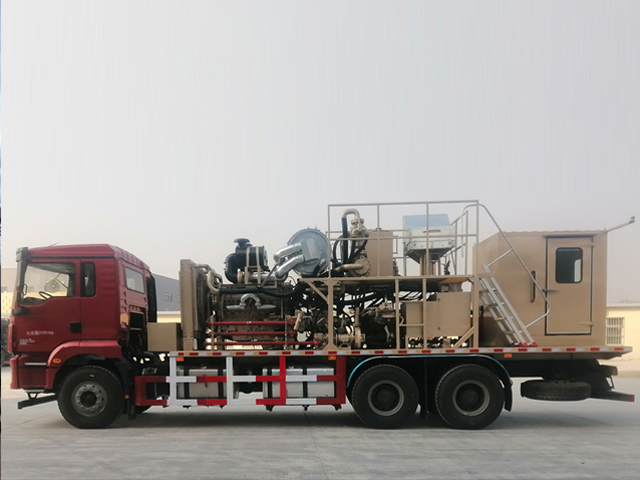 Oilfield service equipment layout and factory preparation
Conclusion
The best value in oilfield equipment procurement comes from matching the machine to the work. Price matters, but long service life, safe operation, documentation, spare-parts planning and supplier responsiveness often decide whether the investment succeeds. For service companies, contractors and project owners, a careful technical review before purchase is the simplest way to reduce risk and keep field operations moving.


